Track everything you watch in one place — 14-day Premium trial, free.
Watchlists, recommendations across 9 streaming sources, family profiles. No card required.
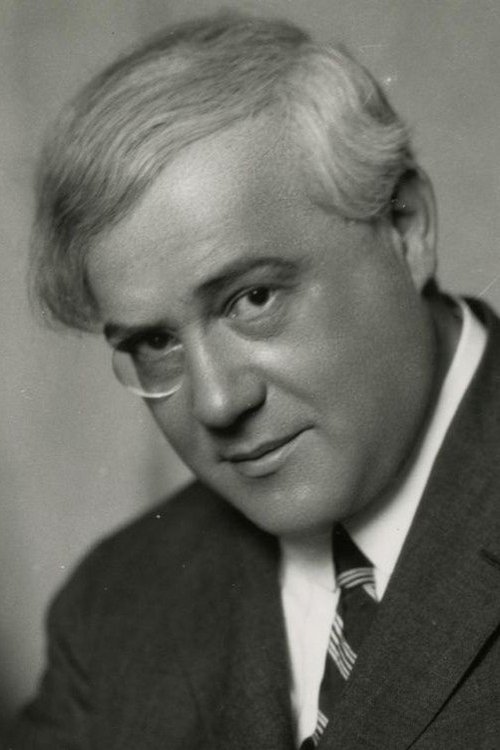
Ferenc Molnár
From Wikipedia, the free encyclopedia.
Ferenc Molnár (originally Ferenc Neumann; 12 January 1878, in Budapest – 1 April 1952, in New York City) was a Hungarian dramatist and novelist. His Americanized name was Franz Molnar. He emigrated to the United States to escape the Nazi persecution of Hungarian Jews during World War II.
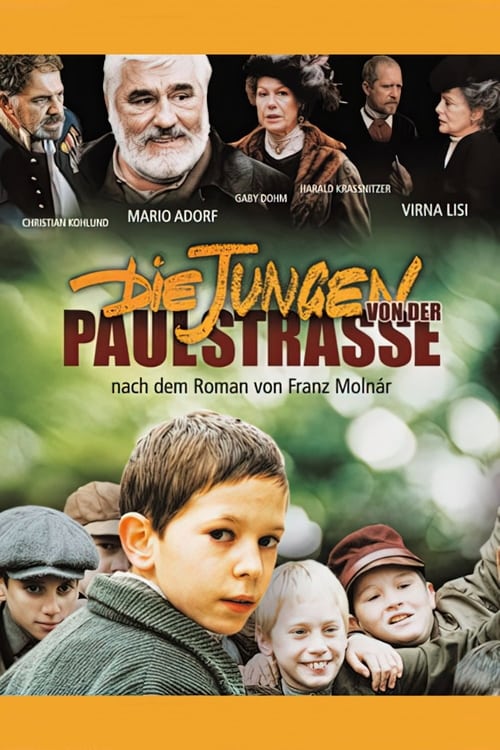
As a novelist, Molnár is remembered principally for The Paul Street Boys, the story of two rival gangs of youths in Budapest. The novel is a classic of youth literature, beloved in Hungary and abroad for its treatment of the themes of solidarity and self-sacrifice. It was ranked second in a poll of favorite books as part of the Hungarian version of Big Read in 2005 and has also been made into a film on several occasions. The most notable production was a Hungarian-U.S. collaboration released in 1969.
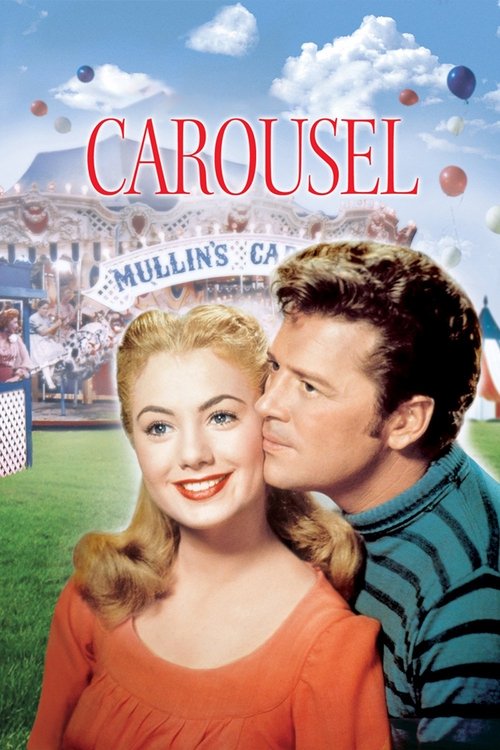
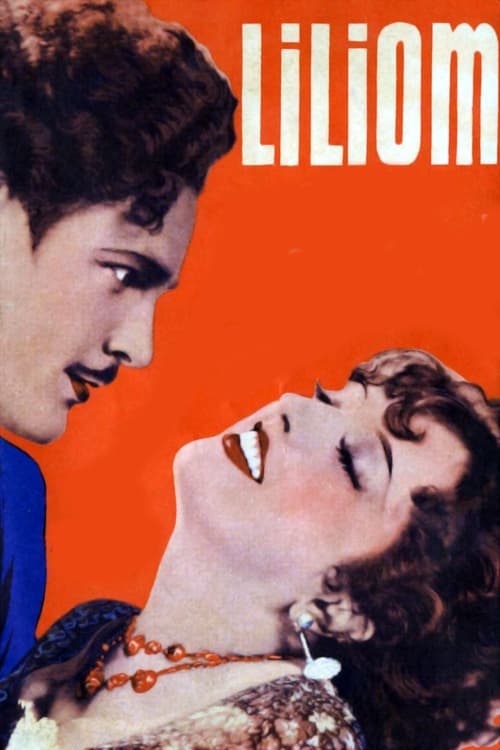
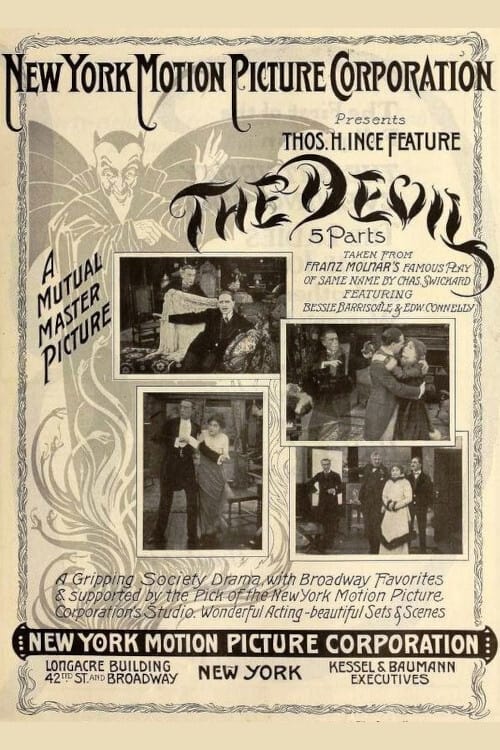
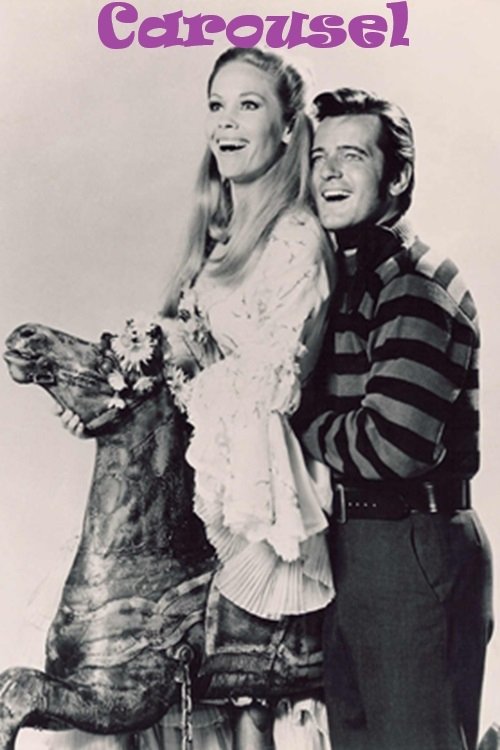
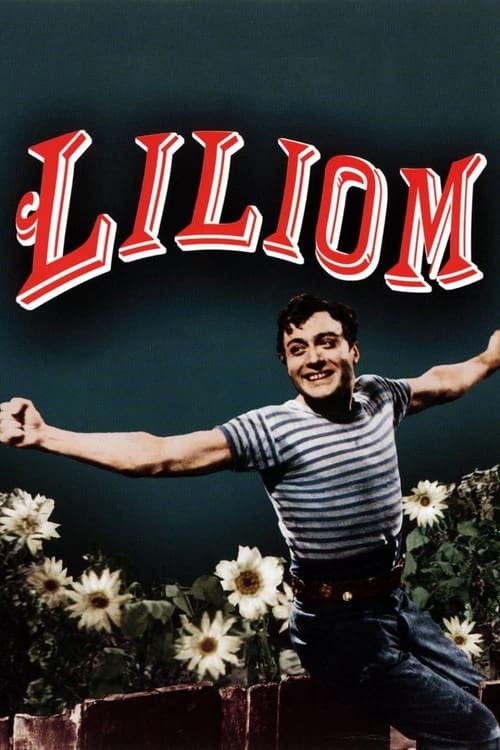
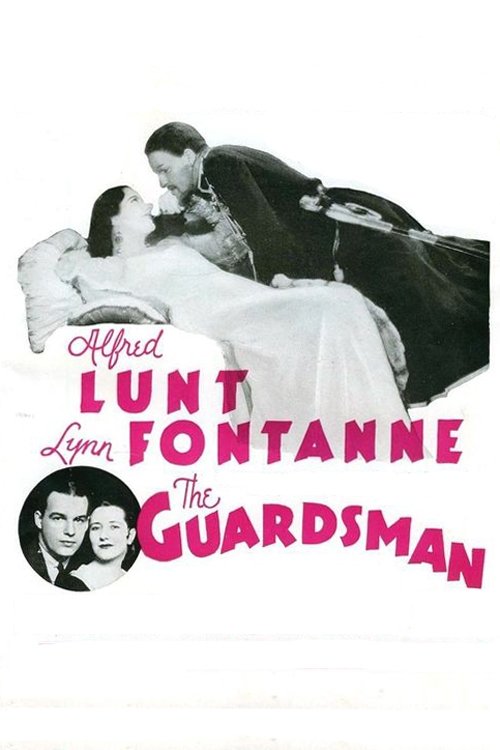
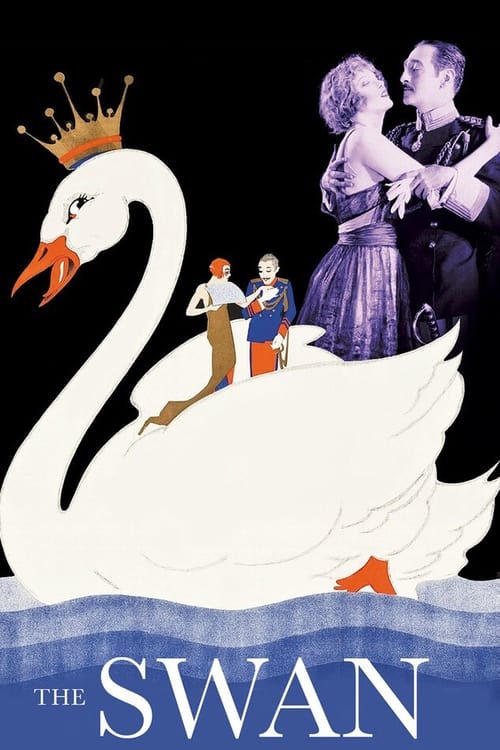
Molnár's most popular plays are Liliom (1909, tr. 1921), later adapted into the Rodgers and Hammerstein musical play Carousel (1945); The Guardsman (1910, tr. 1924), which served as the basis of the film of the same name (1931); and The Swan (1920, tr. 1922). His Hungarian film from 1918, The Devil , was later adapted for American audiences in 1921 and starring George Arliss in his first nationally released film. The 1956 film version of The Swan (which had been filmed twice before) was Grace Kelly's next to last movie, and was released on the day of her wedding to Prince Rainier.
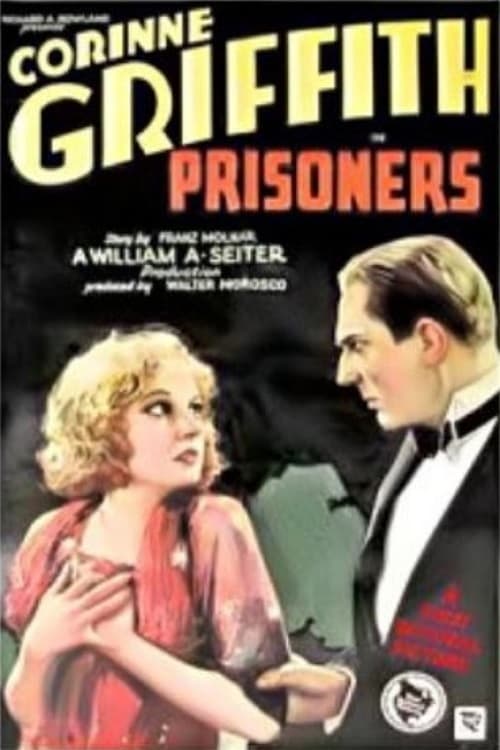
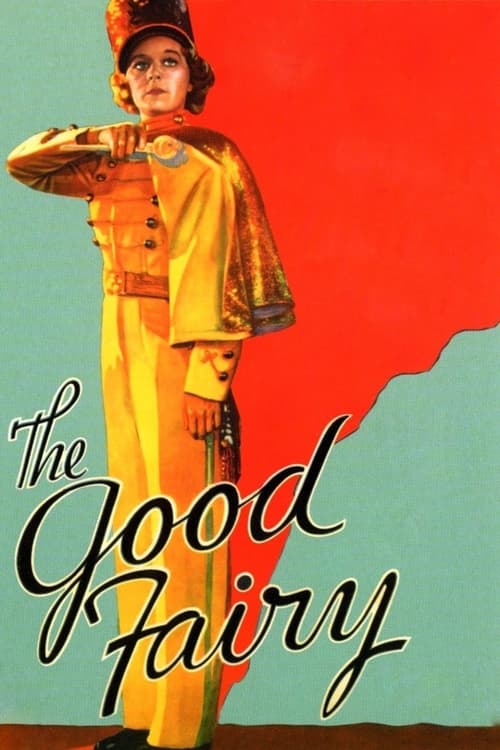
Two of Molnar's other plays have been adapted for other media: The Good Fairy, was adapted by Preston Sturges and filmed in 1935 with Margaret Sullavan, and subsequently turned into the 1947 Deanna Durbin vehicle, I'll Be Yours. (It also served as the basis for the 1951 Broadway musical Make a Wish, with book by Sturges.) The film version of the operetta The Chocolate Soldier used the plot of Molnar's The Guardsman rather than the plot of its original stage version, which was based on George Bernard Shaw's Arms and the Man. (Shaw disliked the operetta adaptation of his work, and would not let his plot be used for the film version.)
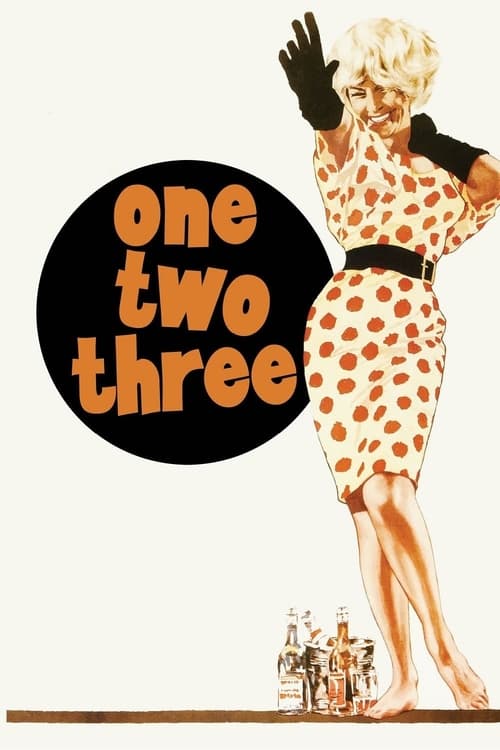
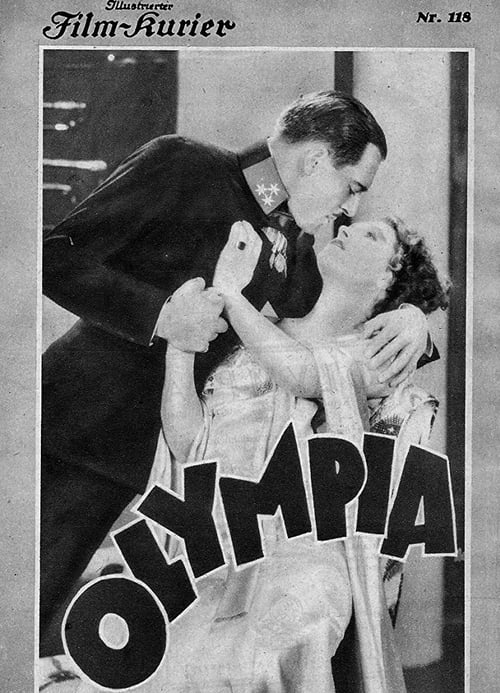
Molnar's play Olympia was adapted for the movies twice - as His Glorious Night (1929 - the notorious talkie which allegedly ruined John Gilbert's career), and as A Breath of Scandal (1960), starring Sophia Loren. In 1961, Billy Wilder and I.A.L. Diamond turned Molnar's one-act play Egy, kettő, három into the film One, Two, Three starring James Cagney and Horst Buchholz.
Finally, Molnar's play The Play at the Castle has twice been adapted into English by writers of note: by P. G. Wodehouse as The Play's the Thing and by Tom Stoppard as Rough Crossing.
Description above from the Wikipedia article Ferenc Molnár, licensed under CC-BY-SA, full list of contributors on Wikipedia
Movie Credits (1)
Behind the Camera (43)
Writer

Theatre Play
Theatre Play
Theatre Play
Novel
Theatre Play
Theatre Play
Writer
Theatre Play
Writer
Novel
Writer

Theatre Play
Writer
Writer

Novel
Theatre Play
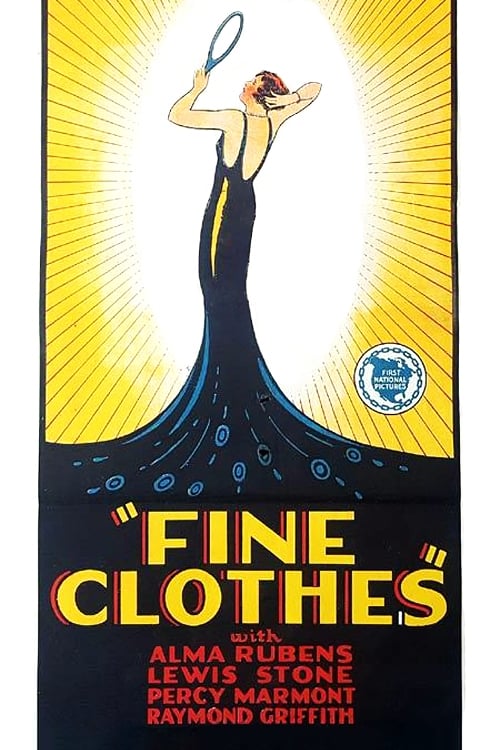
Writer
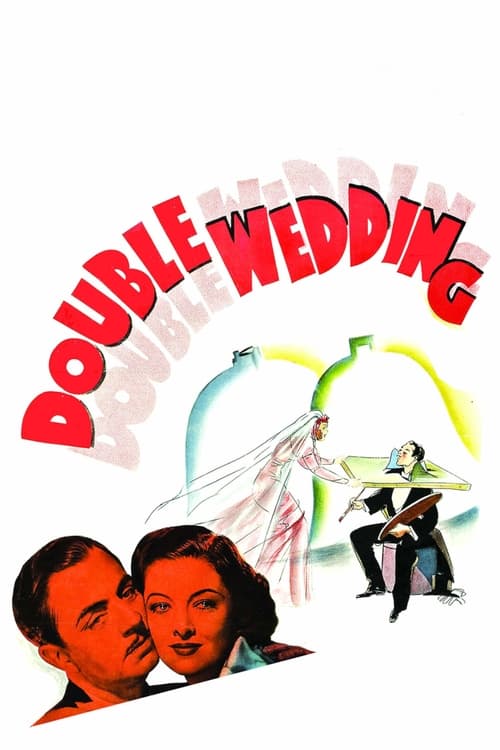
Theatre Play
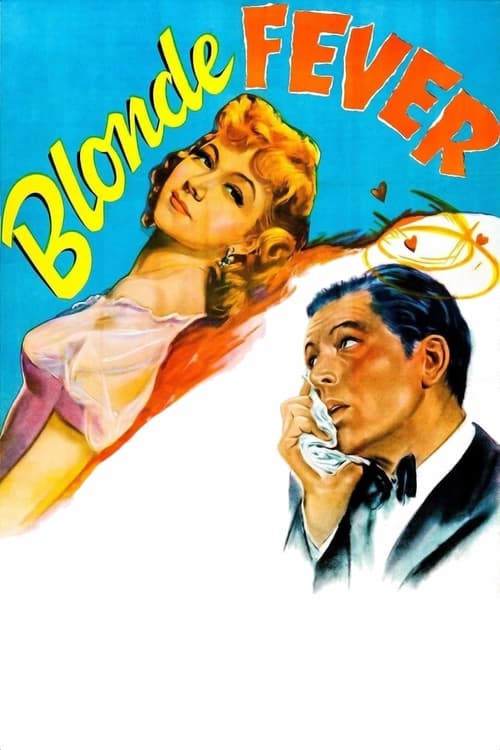
Theatre Play
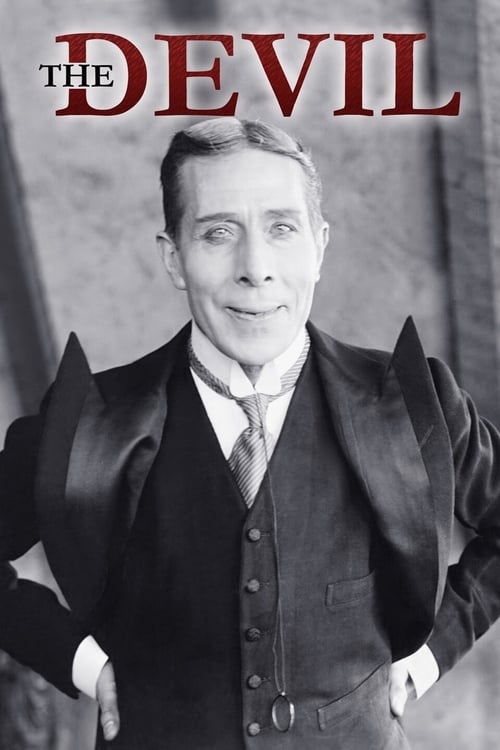
Author
Theatre Play
Original Story
Theatre Play

Writer
Writer
Theatre Play
Story
Writer
Theatre Play